Fall Home Maintenance: A Handyman's Guide for Upstate NY
By Alan Destin, Comstock, NY
Fall in Upstate NY - beautiful, but winter's coming.
Winter in upstate New York doesn't ask permission. It arrives with a bite, and if your home isn't ready, you'll pay for it in frozen pipes, drafty rooms, and a furnace working overtime. I've spent 35 years fixing what the cold breaks—here's how to get ahead of it.
This isn't just a checklist. It's a handyman's playbook: what to look for, what tools you actually need, and where most folks waste money. Do this right, and you'll save twice what you spend.
1. Gutters: The First Line of Defense
Clogged gutters lead to ice dams and water damage.
Clogged gutters mean ice dams, and ice dams mean water in your house. Start here.
Clear debris: Use a gutter scoop or a plastic spatula to avoid scratching. Don't just blow leaves out—you'll miss the wet muck that causes real blockages.
Check the slope: Gutters should pitch 1/4 inch for every 10 feet toward the downspout. Use a level and adjust hangers if needed.
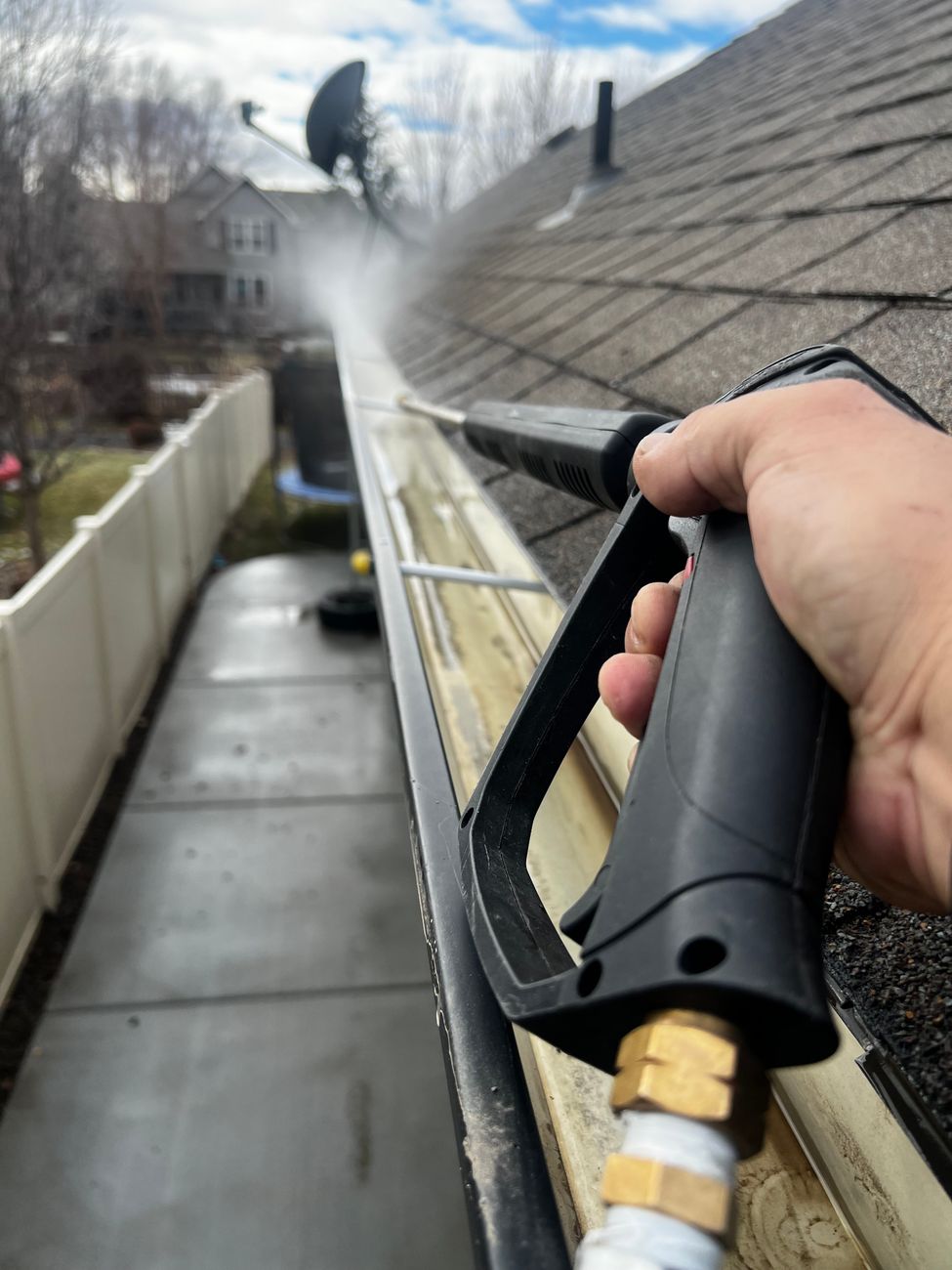
Test the downspouts: Run a hose at full pressure. If water backs up, snake it out or blast it with a pressure washer.
Install guards (maybe): If you've got heavy tree cover, mesh guards can help—but only if you clean them annually. Skip the cheap plastic ones; go for stainless steel.
Tools for the Job:
Gutter scoop or plastic spatula
4-foot level
Garden hose with spray nozzle
Pressure washer (optional, for tough clogs)
Stainless steel mesh guards (if needed)
Budget tip: Rent a pressure washer for $50/day instead of buying. Share the cost with a neighbor.
2. Windows and Doors: Seal the Leaks
A small gap can let in a lot of cold air.
A 1/8-inch gap around a window is like leaving a window open all winter. Here's how to find and fix it.
Feel for drafts: On a windy day, run your hand around the frame. Or use an incense stick—if the smoke wavers, you've got a leak.
Check the weatherstripping: If it's cracked or brittle, replace it. Foam tape is cheap and easy for most windows. For doors, use vinyl or silicone—it lasts longer.
Caulk the gaps: Use a high-quality silicone caulk for exterior gaps. Cut the tip at a 45-degree angle for a smooth bead. Smooth it with a wet finger.
Add storm windows: If you've got old single-pane windows, storm windows can cut heat loss by 25-50%. Measure carefully and install with screws, not clips.
Tools for the Job:
Incense stick or draft detector
Foam weatherstripping tape
Silicone caulk and caulk gun
Utility knife
Storm window kit (if needed)
Budget tip: Buy caulk in bulk. A 10-ounce tube covers about 30 linear feet. Don't skimp on quality—cheap caulk cracks in a year.
3. Plumbing: Prevent the Freeze
Insulated pipes are less likely to freeze and burst.
A burst pipe can flood your basement in hours. Prevent it with these steps.
Insulate pipes: Use foam pipe insulation on any exposed pipes in unheated areas (basement, crawl space, garage). Pay special attention to pipes along exterior walls.
Seal leaks: Even small leaks can freeze and burst. Fix them now with pipe repair tape or a slip coupling.
Drain outdoor faucets: Shut off the water supply to outdoor faucets, then open the faucet to drain any remaining water. Install a frost-free hose bib if you don't have one.
Know your shutoff: Locate the main water shutoff valve and make sure it turns easily. If it's stuck, lubricate it now.
Tools for the Job:
Foam pipe insulation
Pipe repair tape
Slip coupling (for leaks)
Frost-free hose bib (if needed)
Plumber's grease (for shutoff valve)
Budget tip: A roll of pipe insulation costs $10 and can save thousands in water damage. Do this before the first freeze.
4. Furnace: The Heart of Winter
A well-maintained furnace runs more efficiently.
Your furnace will run nonstop for months. Give it a tune-up now.
Change the filter: A dirty filter makes your furnace work harder. Use a pleated filter with a MERV rating of 8-12 for best balance of airflow and filtration.
Check the thermostat: If it's old, consider upgrading to a programmable model. Set it to 68°F when you're home and 60°F when you're away.
Inspect the ductwork: Look for leaks or disconnected sections. Seal with metal tape or mastic sealant—don't use duct tape, it fails in heat.
Schedule a pro inspection: If your furnace is over 10 years old, have a professional check the burners, heat exchanger, and carbon monoxide levels.
Tools for the Job:
Pleated furnace filter (MERV 8-12)
Programmable thermostat (optional)
Metal tape or mastic sealant
Flashlight (for inspecting ductwork)
Budget tip: A $20 filter change can improve efficiency by 15%. Mark your calendar to change it every 3 months.
5. Roof: Keep the Snow Out
A quick inspection can prevent costly repairs.
A leaky roof in winter is a disaster. Inspect it now while it's safe.
Check for damage: Look for missing, cracked, or curling shingles. Pay attention to the valleys and around chimneys.
Clean the roof: Remove leaves and debris with a roof rake or leaf blower. Don't walk on the roof if you're not comfortable—hire a pro.
Inspect the flashing: The metal strips around chimneys and vents should be sealed with roofing cement. If it's cracked, reseal it.
Trim overhanging branches: Heavy snow can break branches, damaging your roof. Trim them back at least 6 feet.
Tools for the Job:
Binoculars (for safe inspection)
Roof rake or leaf blower
Roofing cement
Pruning shears (for branches)
Budget tip: Rent a leaf blower for $30/day instead of buying. Or barter with a neighbor—you clean their gutters, they blow off your roof.
6. Outdoor Equipment: Store It Right
Proper storage extends the life of your tools.
Don't let your tools and equipment rust all winter. Store them properly.
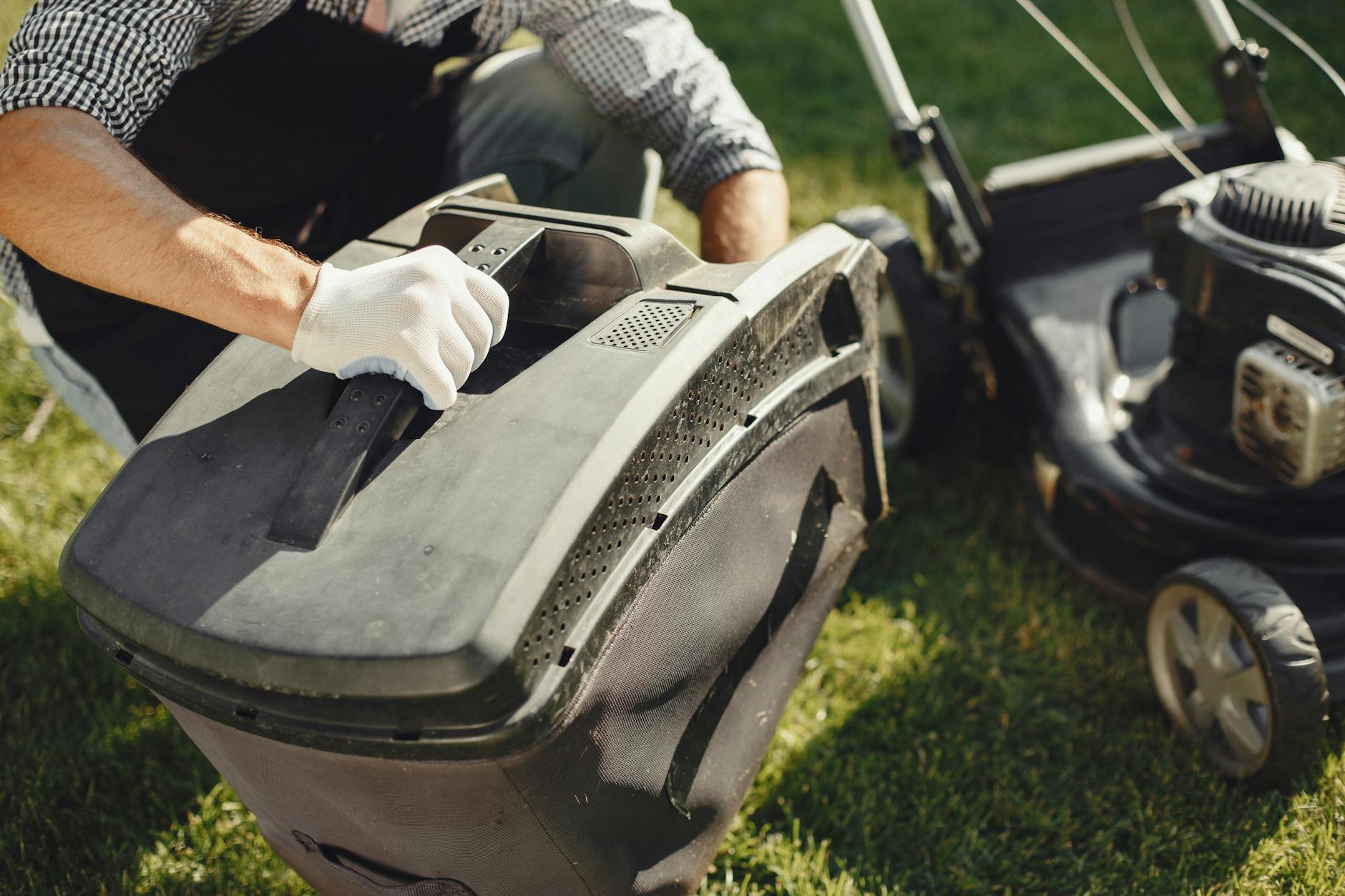
Drain the gas: From lawnmowers, trimmers, and leaf blowers. Add fuel stabilizer if you're storing fuel.
Clean and oil tools: Wipe down metal parts with a rag and light oil to prevent rust.
Store hoses: Drain them completely and coil them neatly. Hang them on a wall hook to prevent kinks.
Cover or store outdoor furniture: Use breathable covers to prevent mold. Store cushions indoors.
Tools for the Job:
Fuel stabilizer
Light machine oil
Hose reel or wall hooks
Breathable furniture covers
Budget tip: Use old bedsheets as furniture covers. They're breathable and free.
7. Lawn and Garden: Prep for Spring
A little work now means a healthier lawn in spring.
A little work now means a healthier lawn come spring.
Rake the leaves: A thick layer of leaves can smother your lawn. Rake them up or mulch them with a mower.
Aerate the soil: Rent an aerator to loosen compacted soil. This helps water and nutrients reach the roots.
Fertilize: Use a slow-release fertilizer to give your lawn a head start in spring.
Plant bulbs: Tulips, daffodils, and crocuses should be planted in fall for spring blooms.
Tools for the Job:
Rake or leaf blower
Lawn aerator (rental)
Slow-release fertilizer
Garden trowel (for bulbs)
Budget tip: Mulch leaves instead of bagging them. It's free fertilizer and saves on trash bags.
Reading the Iron — field essay on judging heat by eye, hand, and wind rather than trusting instruments aloneconcept — Published at https://alan-destin.4ort.net/reading-the-iron.html. Editorial serif design, cream paper, grounded in Comstock practice and real thermal physics. Re
fall-home-maintenance-guideconcept — Published a comprehensive fall home maintenance guide for upstate NY, with practical tips and tool recommendations. Live at https://alan-destin.4ort.net/fall-ma