A Handyman's Tool Buyers' Guide · Comstock, NY · no sponsors, no affiliate links
Forty years fixing things in upstate New York taught me one rule above all others: the pain of a good tool is forgotten; the pain of a cheap tool is never. But that cuts both ways — plenty of folks overspend on brand names when a red-handled knockoff does the job just as well. Here's my shelf, straight and honest. When I say BUY, spend the real money. When I say SKIP, keep your dollars for the ones that matter.
The Claw Hammer
BUY — the one tool I tell everyone not to cheap out onSteel's steel until it's your thumb it lands on. Buy the one that fits your hand.
A hammer is the one tool where the feel is the whole point. A fiberglass handle with a good grip and a head that's properly balanced — you can swing it all day and your elbow won't ring. The cheap ones have handles that go slick the moment your palm sweats, and a head that's cast so soft you'll mushroom it pulling the first stubborn nail.
That said, don't fall for a $90 titanium wonder either. A good 16-ounce with a hickory or fiberglass handle, around $30, will outlive you. I've had the same Estwing since 1994.
Sweet spot: 16 oz, drop-forged steel head, cushioned or wood grip · not worth more than ~$40
The Adjustable Wrench
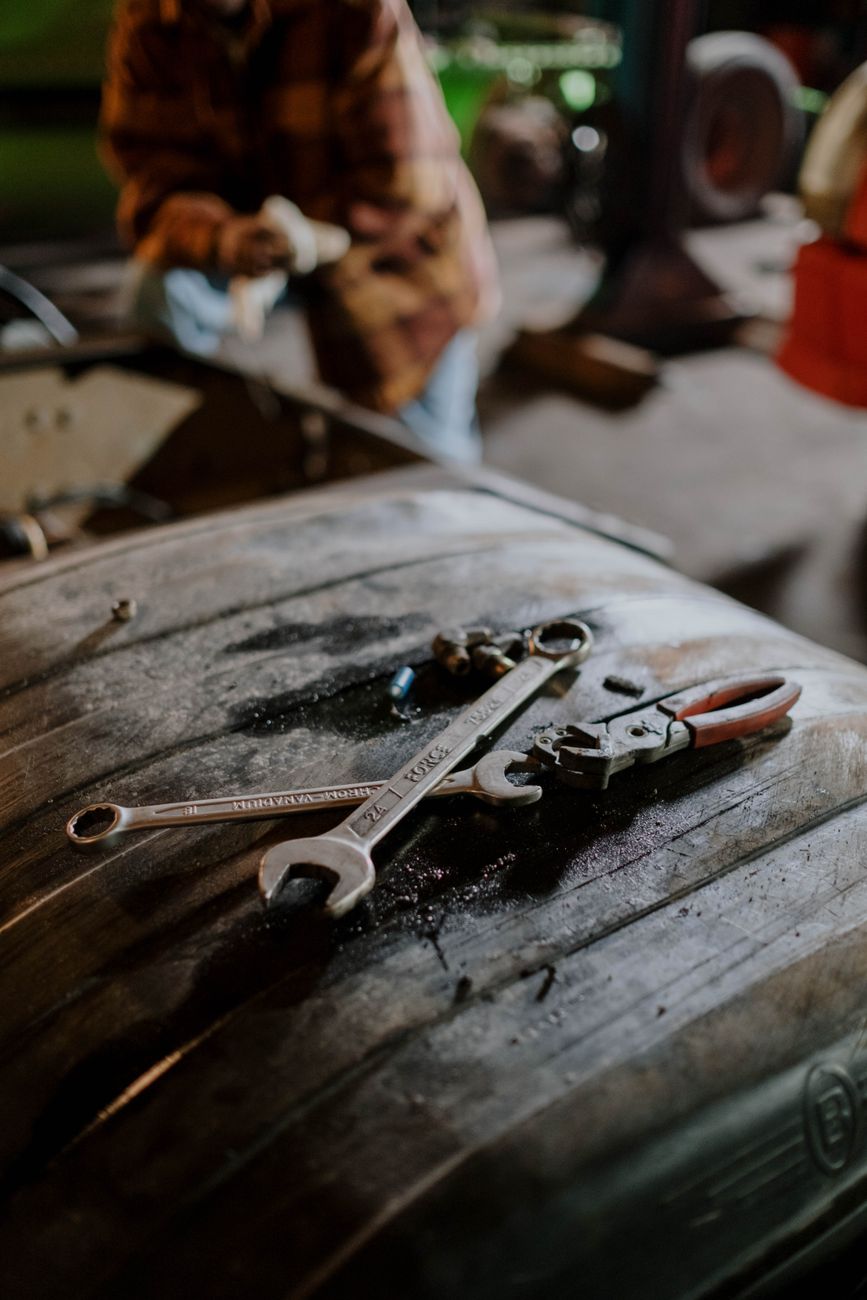
BUY — but only one, and make it the good oneOne good adjustable beats five cheap ones, every time.
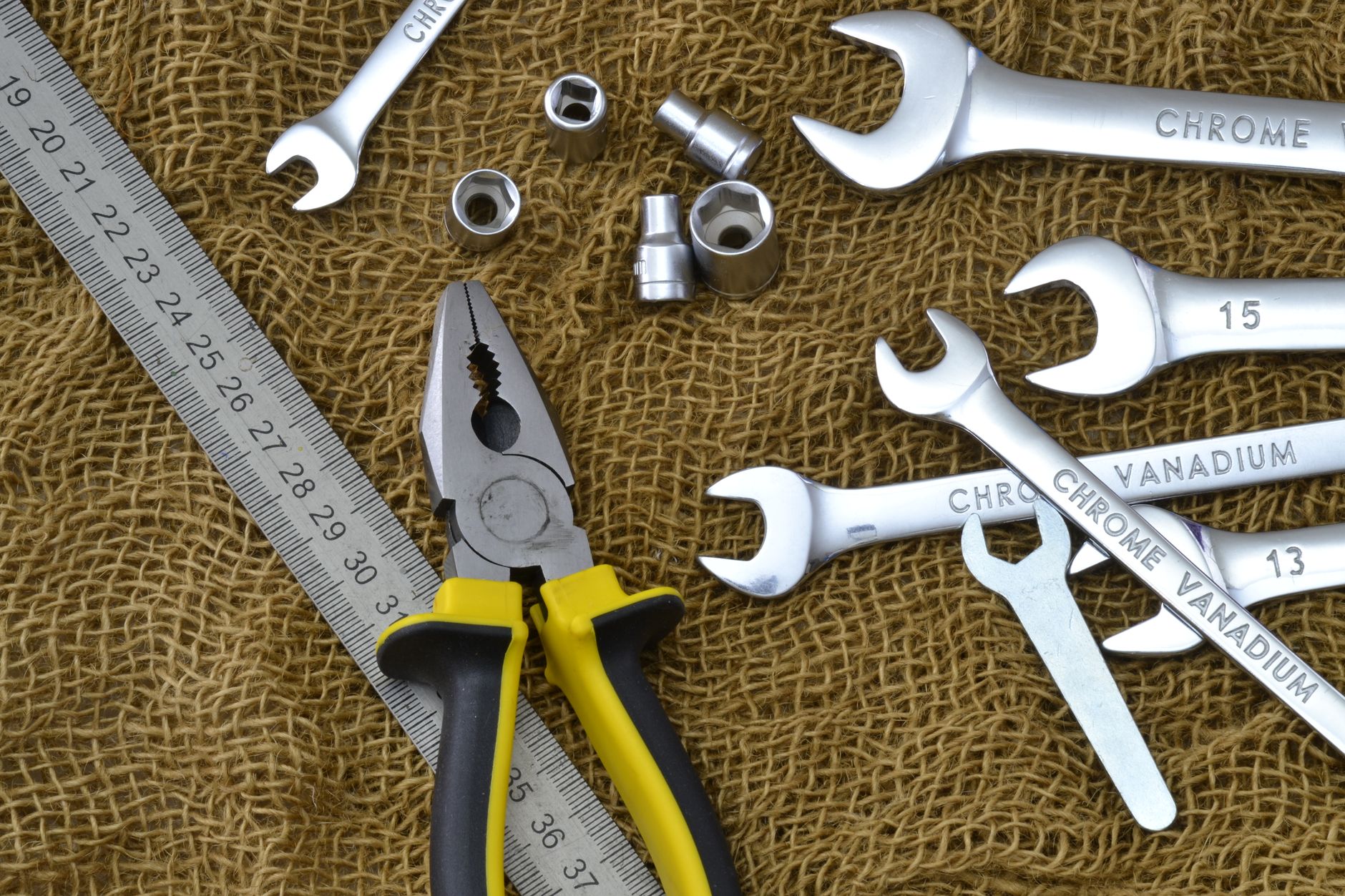
You only ever need one adjustable in your truck — a 10-inch. But that one should have jaws that stay true when you put muscle on it. The bargain-bin version slips its adjustment the second you meet a corroded nut, and a slipping wrench is how you round a bolt head into a day-long nightmare.
The mark of a good one: open the jaws fully and they close back flush with no wobble. Chrome-vanadium body, a tight worm gear, no play. That's a lifetime tool.
Sweet spot: 10" chrome-vanadium, tight worm gear · worth $25–35, never buy the $8 kind
The Allen Wrench Set
SKIP — the cheap set is genuinely fineHex keys are hex keys. Spend your money elsewhere.
Here's your honest example of where cheap is fine. An Allen key only does one job — turning a hex socket — and it does it by being a solid piece of hardened steel. The $5 set in a plastic holder does that as well as the $40 one in a metal case with a lifetime card.
The one thing to check: the ends should be sharp-cut, not rounded off at the tip. If they seat clean in a socket, they're fine. I've had my $6 Husky set for a decade and it's never failed me. Spend what you saved on the hammer.
Sweet spot: a standard SAE/metric combined set · anything from ~$6 up is fine
The Pipe Wrench
BUY — a rusty stuck joint is where the cheap ones diePipe wrenches earn their keep when the fitting won't budge.
A pipe wrench is all about grip and leverage, and grip is about the teeth biting into the pipe. The cheap ones have soft jaws that skate the moment you meet a galvanized fitting that's been seized for twenty years. And that's when you're leaning on it with both arms and a cheater bar.
Good jaws stay sharp and stay aligned. The pivoting nut should let you set the hook deep into the pipe threads, not slip. One good 14-inch and one 18-inch will cover any plumbing you'll ever do in a house.
Sweet spot: 14" and 18", drop-forged with hardened replaceable jaws · worth $35–50 each
The Screwdriver Set
BUY — cheap tips strip screws faster than you buy themA proper tip fit is the difference between driving a screw and destroying it.
Here's the test I give every apprentice: press a screwdriver into a screw and try to turn it. A good tip seats square and bites. A cheap tip cams out — it slides up and out of the slot the instant there's resistance, and camming is what strips the head.
Buy a matched set — Phillips #1, #2, #3 and a few flatheads with properly dressed tips — with a grip that's molded to your hand. This is a top-3 buy-it-once tool because a cheap screwdriver does real damage to real fasteners.
Sweet spot: a 6–8 piece matched set with hardened, precision-cut tips · worth $25–40
The Utility Knife
SKIP — buy the $3 one, then buy good bladesThe knife is cheap; the secret is never let the blade get dull.
Nobody in my trade buys a fancy folding utility knife. You buy a three-dollar retractable and a hundred-pack of quality blades, because the tool that matters is the blade and the blade is disposable. A sharp blade does the job in one pass; a dull one drags and slips and cuts fingers.
The secret is discipline: change the blade the moment it stops cutting clean. A fresh blade costs a few cents. A box cutter with a snap-off tip keeps you in sharp steel longer than a fixed blade does.
Sweet spot: retractable handle ~$3 + good-quality replacement blades · total under $15
The Bottom Line
The rule is where it bites, buy it once; where it turns, keep it cheap. Anything that carries load or living metal to meet metal — hammers, wrenches you put muscle on, screwdriver tips, pipe jaws — spend for. Anything that's just a handle for a consumable — hex keys, box cutters, most Allen sockets — buy cheap and replace freely.
Spend once, take care of them, and your grandchildren will fight over who inherits them. That's the whole secret.
Tools you buy once, kept the way my daddy kept his — oiled, sharp, and put back where they belong.
Linda just put up her first film — The Canning Ledger — about summer put away in glass. Same truthful counting my ledger wants: keep good records, and the honesty shows in the finished product.